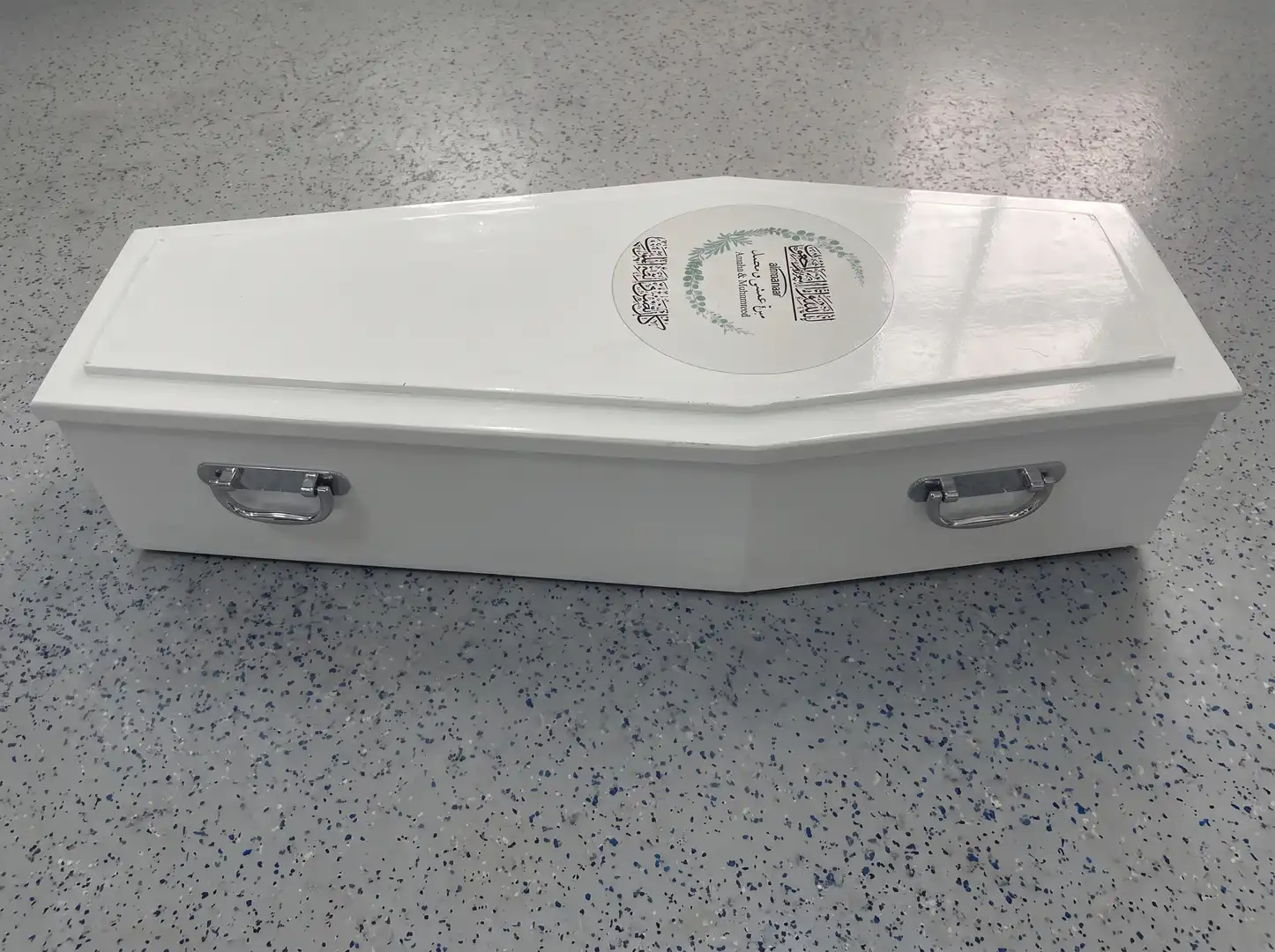
When a Muslim passes away, the family may need to make several important arrangements in a short period of time.
From collecting the deceased and arranging Ghusl to preparing for the Janazah prayer and burial, each stage has its own practical and religious considerations.
Understanding the process beforehand can help families feel more prepared.
1. Collection of the deceased
The first stage is arranging for the deceased to be collected from the home, hospital, care facility or other location.
A Muslim funeral service can coordinate transportation and help the family understand what documentation may be required.
2. Ghusl
The deceased is then prepared through Ghusl, the Islamic ritual washing.
This should be carried out respectfully, with attention to Islamic requirements, privacy and dignity.
A dedicated facility and experienced Ghusl team can help ensure that the process is handled appropriately.
3. Kafan
Following Ghusl, the deceased is wrapped in Kafan, the Islamic burial shroud.
The simplicity of the Kafan is an important part of Islamic funeral tradition and reflects the equality of all people before Allah.
4. Janazah prayer
The Janazah prayer is the Islamic funeral prayer offered for the deceased.
The funeral service can help coordinate the practical arrangements surrounding the prayer, including transportation and the appropriate prayer location.
Families and members of the community are encouraged to participate in the Janazah where possible.
5. Burial
After the Janazah, the deceased is taken for burial.
Islamic burials are generally carried out as promptly as reasonably possible. The funeral team can coordinate transportation and assist with the arrangements required at the cemetery.
6. Documentation and special circumstances
Some deaths involve additional procedures. For example, a death may require involvement from a coroner, or the family may need to arrange documentation for transportation overseas.
In cases where a loved one needs to be repatriated to another country, additional documentation and coordination may be required.
Experienced funeral professionals can guide families through these procedures and help reduce unnecessary confusion.
Support for families
A funeral is not simply a series of administrative tasks. It is a deeply emotional period for everyone involved.
The right support can help families focus on remembering their loved one and supporting one another while experienced professionals manage the practical arrangements.
From the first call through Ghusl, Kafan, Janazah and burial, compassionate guidance can make an incredibly difficult time a little easier.
May Allah grant mercy to those who have passed away and give strength, patience and comfort to their families.